When people think of great wine destinations, countries like France or Italy usually come to mind. Yet quietly, in the heart of Central Europe, the Czech Republic has been producing distinctive and high-quality wines for centuries – often overlooked, but increasingly impossible to ignore.
Czech wine culture is deeply rooted in tradition, with winemaking dating back to Roman times. Today, the industry is centered primarily in the South Moravian region, near the Austrian border. This area benefits from a unique mix of warm days, cool nights, and diverse soils—ideal conditions for cultivating aromatic, elegant wines.
White wines dominate Czech production, and for good reason. Varieties like Grüner Veltliner, Riesling, and Müller-Thurgau thrive here, producing wines that are fresh, vibrant, and often beautifully balanced. Expect notes of green apple, citrus, delicate florals, and a crisp minerality that reflects the region’s terroir.
Among local specialties, you’ll also find grape varieties that may be less familiar internationally but are well worth exploring. Pálava, for example, offers a fragrant, slightly spicy profile, while Moravian Muscat delights with its expressive aromatics. These wines often pair wonderfully with light dishes, from fresh salads to traditional Czech cuisine.
Red wines, while less common, are steadily gaining recognition. Varieties such as Frankovka (known elsewhere as Blaufränkisch) and Svatovavřinecké (St. Laurent) produce lighter-bodied reds with bright acidity and notes of red berries and subtle spice—perfect for those who prefer a more delicate style.
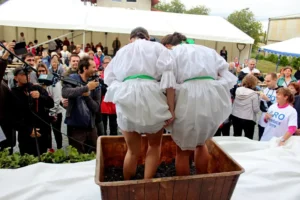
One of the most charming aspects of Czech wine culture is its accessibility and authenticity. Instead of grand châteaux, you’ll often find small, family-run cellars and village wine festivals. Events like local harvest celebrations (vinobraní) offer visitors a chance to taste young wines, enjoy regional food, and experience a warm, communal atmosphere.
For those willing to explore beyond the well-trodden paths of Europe’s famous wine regions, Czech wines offer both quality and character. They may not yet dominate global markets, but that’s part of their appeal – you’re discovering something special before the rest of the world fully catches on.
In the end, Czech wine is not about prestige or complexity – it’s about freshness, tradition, and genuine enjoyment. And sometimes, that’s exactly what makes a wine unforgettable.
When people think of great wine destinations, countries like France or Italy usually come to mind. Yet quietly, in the heart of Central Europe, the Czech Republic has been producing distinctive and high-quality wines for centuries – often overlooked, but increasingly impossible to ignore.
Czech wine culture is deeply rooted in tradition, with winemaking dating back to Roman times. Today, the industry is centered primarily in the South Moravian region, near the Austrian border. This area benefits from a unique mix of warm days, cool nights, and diverse soils—ideal conditions for cultivating aromatic, elegant wines.
White wines dominate Czech production, and for good reason. Varieties like Grüner Veltliner, Riesling, and Müller-Thurgau thrive here, producing wines that are fresh, vibrant, and often beautifully balanced. Expect notes of green apple, citrus, delicate florals, and a crisp minerality that reflects the region’s terroir.
Among local specialties, you’ll also find grape varieties that may be less familiar internationally but are well worth exploring. Pálava, for example, offers a fragrant, slightly spicy profile, while Moravian Muscat delights with its expressive aromatics. These wines often pair wonderfully with light dishes, from fresh salads to traditional Czech cuisine.
Red wines, while less common, are steadily gaining recognition. Varieties such as Frankovka (known elsewhere as Blaufränkisch) and Svatovavřinecké (St. Laurent) produce lighter-bodied reds with bright acidity and notes of red berries and subtle spice—perfect for those who prefer a more delicate style.
One of the most charming aspects of Czech wine culture is its accessibility and authenticity. Instead of grand châteaux, you’ll often find small, family-run cellars and village wine festivals. Events like local harvest celebrations (vinobraní) offer visitors a chance to taste young wines, enjoy regional food, and experience a warm, communal atmosphere.
For those willing to explore beyond the well-trodden paths of Europe’s famous wine regions, Czech wines offer both quality and character. They may not yet dominate global markets, but that’s part of their appeal—you’re discovering something special before the rest of the world fully catches on.
In the end, Czech wine is not about prestige or complexity—it’s about freshness, tradition, and genuine enjoyment. And sometimes, that’s exactly what makes a wine unforgettable.